
Fibers, fabrics and accessories
- Fiber data
- Fabric and accessory PCFs
- Supplier data
- Emission factors

Connect materials, manufacturing, products and suppliers across the textile and apparel value chain
See key carbon management objects across the textile and apparel value chain, from fiber to garments
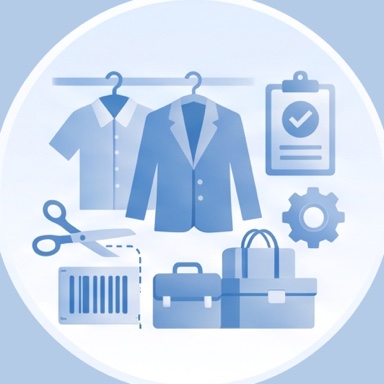

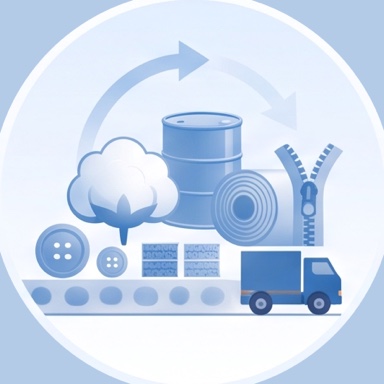
Natural fibers, synthetic fibers, recycled materials, fabrics and accessories come from varied sources, with different carbon profiles by supplier and production route. Primary material data, supplier PCFs and traceable background data directly affect product footprint quality.
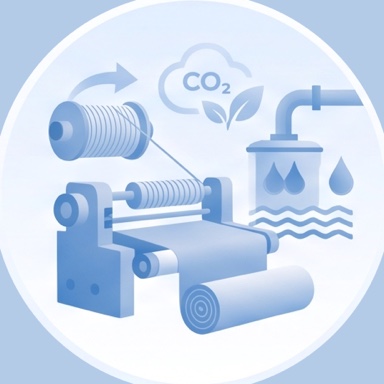
Dyeing, printing, heat-setting and finishing use steam, heat, electricity and other energy sources. Different routes and equipment conditions require energy and production data to be connected to specific processes and products.
Textile and apparel products have many styles and short life cycles, with frequent changes in blends, fabrics, accessories, processing and suppliers. Manual product-by-product modeling struggles to keep up with development and iteration.
Data are distributed across raw materials, spinning, weaving, dyeing, finishing and garment manufacturing. Rising brand and customer requirements for PCFs, Scope 3 and reductions call for reliable, long-term data collaboration.
Materials
Start product carbon management with material selection
Collect supplier primary data, product footprints and applicable background data for fibers, yarns, fabrics, accessories and packaging. Manage material types, suppliers, factors and evidence consistently.
Use Cyacle to improve primary carbon data coverage for key materials, supporting footprints, material comparisons, green procurement and supply chain reductions.
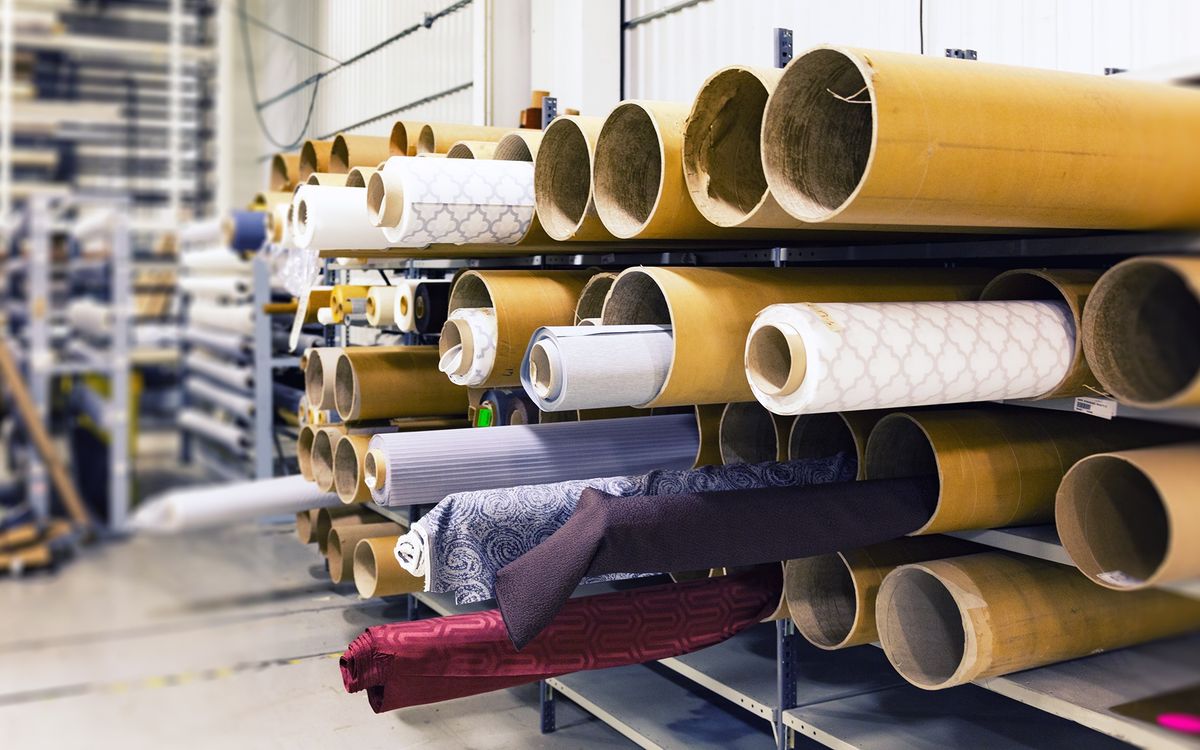


Lafuma
With support from Carbon Newture, Lafuma achieved full life cycle carbon neutrality and carbon labeling for two T-shirts: men’s LMTS6BSX0 and women’s LFTS6BSX0.

Every second, a garbage truck filled with clothing is sent to a landfill or incinerator.

The EU remains committed to its 2050 carbon neutrality goal—what key regulations should the textile industry pay attention to?