

Materials and components
- Material data
- Supplier PCFs
- Emission factors
- Recycled materials

Connect materials, products, manufacturing and suppliers across the consumer goods life cycle
See key carbon management objects across the consumer goods life cycle, from materials to markets
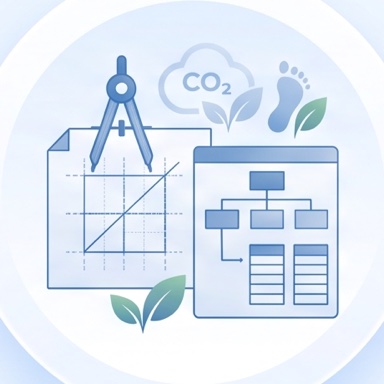

Consumer goods may combine plastics, metals, wood, paper, fibers and chemicals from suppliers with different data capabilities. Obtaining and tracing primary data, supplier PCFs and suitable background data directly affects footprint quality.
New products, materials, structures, packaging and suppliers all affect carbon performance. Manual product-by-product modeling and repeated calculations cannot easily support many SKUs and rapid iteration.
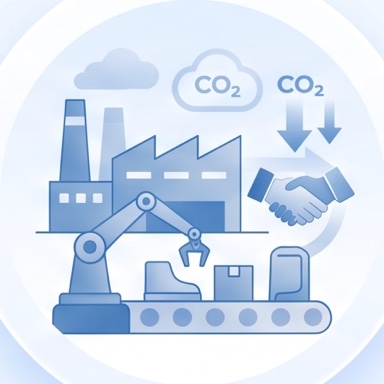
OEMs, ODMs and multiple supplier tiers hold much of the production, energy and material data. Brands need complete, consistent and verifiable information for product accounting and supply chain reductions.
Brands and overseas markets increasingly require product footprints, material information, circularity and traceability. Businesses need to turn one-off project data into maintained, reusable and deliverable environmental data.
Materials
Start product carbon management with material selection
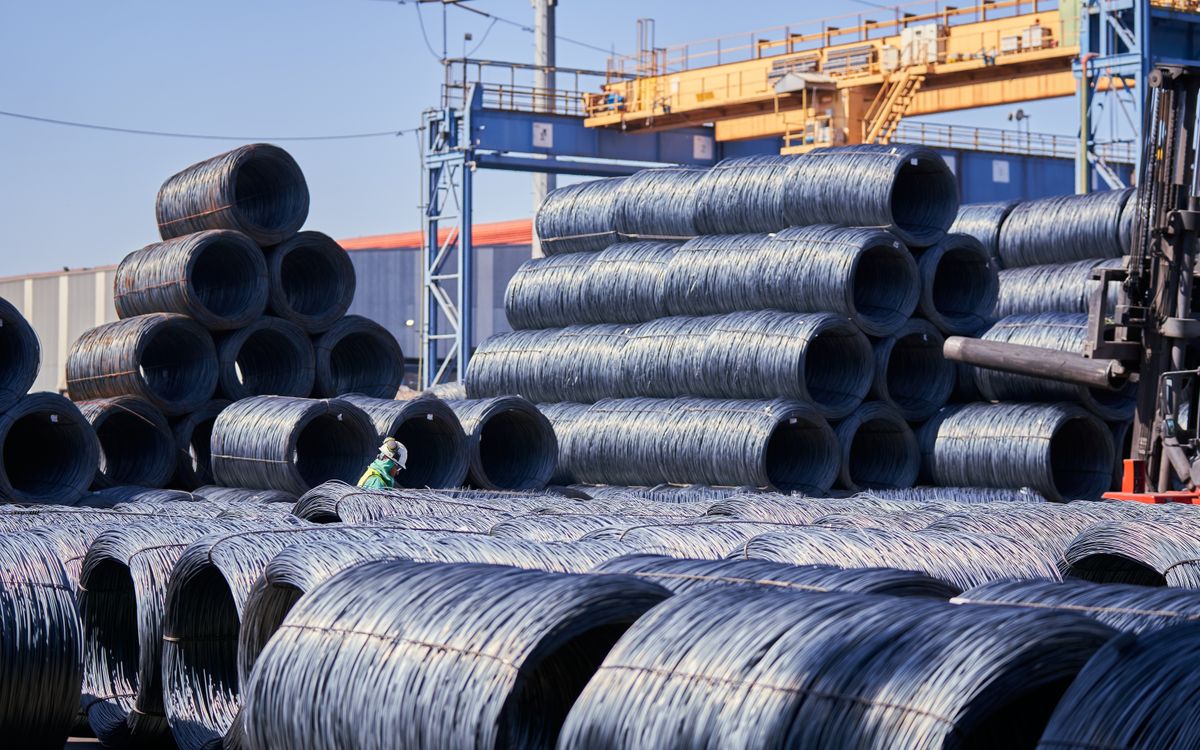
Collect supplier primary data, product footprints and suitable background data for plastics, metals, wood, paper, fibers and chemicals. Manage materials, suppliers, factors and evidence consistently.
Use Cyacle to improve primary data coverage for footprints, material comparisons, green procurement and supply chain reductions.