
Raw materials and supply chains
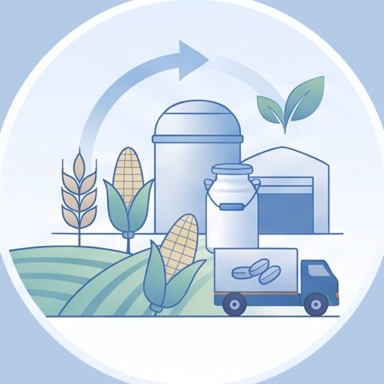
- Agricultural and livestock inputs
- Food ingredients
- Supplier data
- Emission factors

Connect ingredients, recipes, production and suppliers across the food value chain
See key carbon management objects across the food value chain, from farm to table
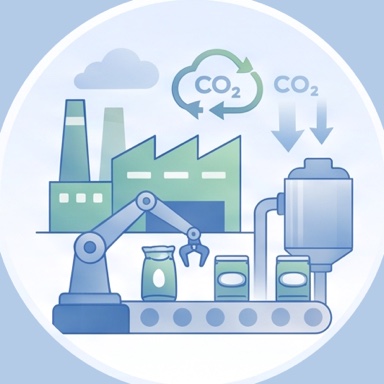
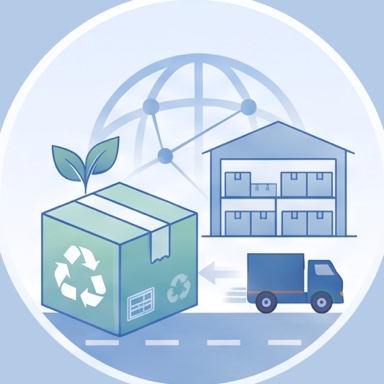
Food products draw on agricultural and livestock inputs, ingredients and packaging from different regions, production systems and suppliers. Obtaining and tracing primary data, supplier PCFs and suitable background data directly affects footprint results.
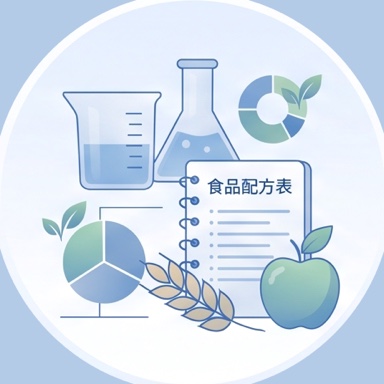
SKUs can differ substantially in ingredients, proportions, suppliers and processing. Ingredient substitution and recipe changes affect footprints, while one-off calculations cannot support continuous management across many products and recipes.
Steam, heating, refrigeration, processing and cleaning create different energy demands across products and routes. Production and energy data need to be connected to identify priority emission sources accurately.
Carbon data span ingredient suppliers, food processors, packaging, storage and logistics. Growing brand, retailer and customer interest in footprints, Scope 3 and reduction progress calls for reliable, long-term collaboration.
Calculate, track and reduce emissions across the food value chain
Ingredients
Start product carbon management with ingredient procurement
Collect supplier primary data, product footprints and suitable background data for agricultural and livestock inputs, food ingredients and packaging. Manage ingredient types, suppliers, factors and evidence consistently.
Use Cyacle to increase primary data coverage for key ingredients, creating a stable foundation for footprints, Scope 3, green procurement and supply chain reductions.


Master Kong
Carbon Newture supported Master Kong’s inaugural Sustainability Ecosystem Conference in achieving event carbon neutrality.
Carbon Newture supported Master Kong’s inaugural Sustainability Ecosystem Conference in achieving event carbon neutrality.

In 2021, PepsiCo officially launched its holistic business strategy transformation with sustainability at its core—the "Pep+ Plan." This initiative encompasses more sustainable sourcing of raw materials, manufacturing, and product sales, with the aim of inspiring consumers through iconic brands to contribute to green development.