

Sailing Logistics: Exploring New Sustainability Value in Returnable Logistics Packaging Through Digital Carbon Management
 Sailing LogisticsLight industry and consumer goods industry

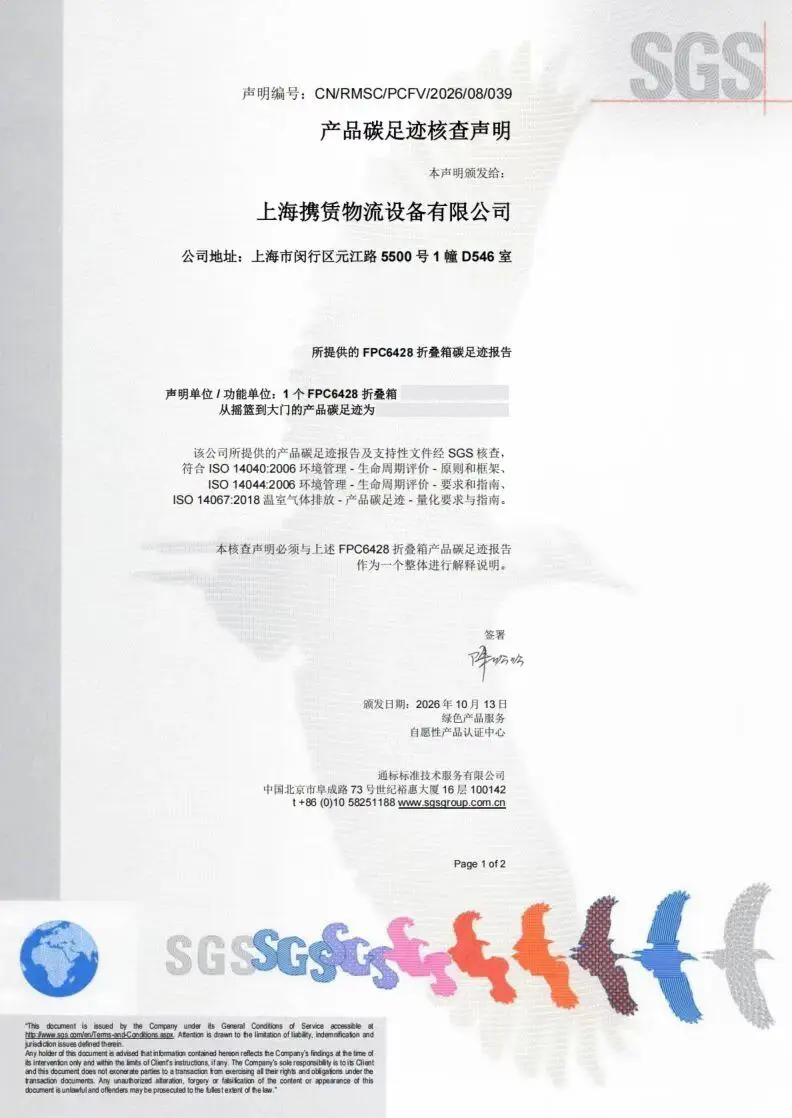
Using Carbon Newture's AI-native carbon management platform Cyacle, Sailing Logistics assessed the carbon footprint of its FPC6428 foldable container and obtained an SGS verification statement.
The logistics industry is a key sector in the global green transition, accounting for up to 11% of global greenhouse gas (GHG) emissions¹. Beyond energy conservation and carbon reduction in transportation, the reuse of logistics packaging, such as pallets and returnable containers, along with effective carbon emissions management, also plays a vital role in advancing the industry's green transition.
Since 2021, Shanghai Sailing Logistics Co., Ltd. (hereinafter referred to as "Sailing Logistics") has consistently disclosed its CDP climate ratings. Recently, leveraging Cyacle, the AI Native Digital Carbon Management Platform independently developed by Carbon Newture, Sailing Logistics completed a product carbon footprint assessment of its FPC6428 foldable container and obtained a Product Carbon Footprint Verification Statement issued by SGS, an internationally recognized third-party verification body.
Returnable Logistics Packaging: Evolving Regulatory and Supply Chain Sustainability Requirements
Company Scale and Network
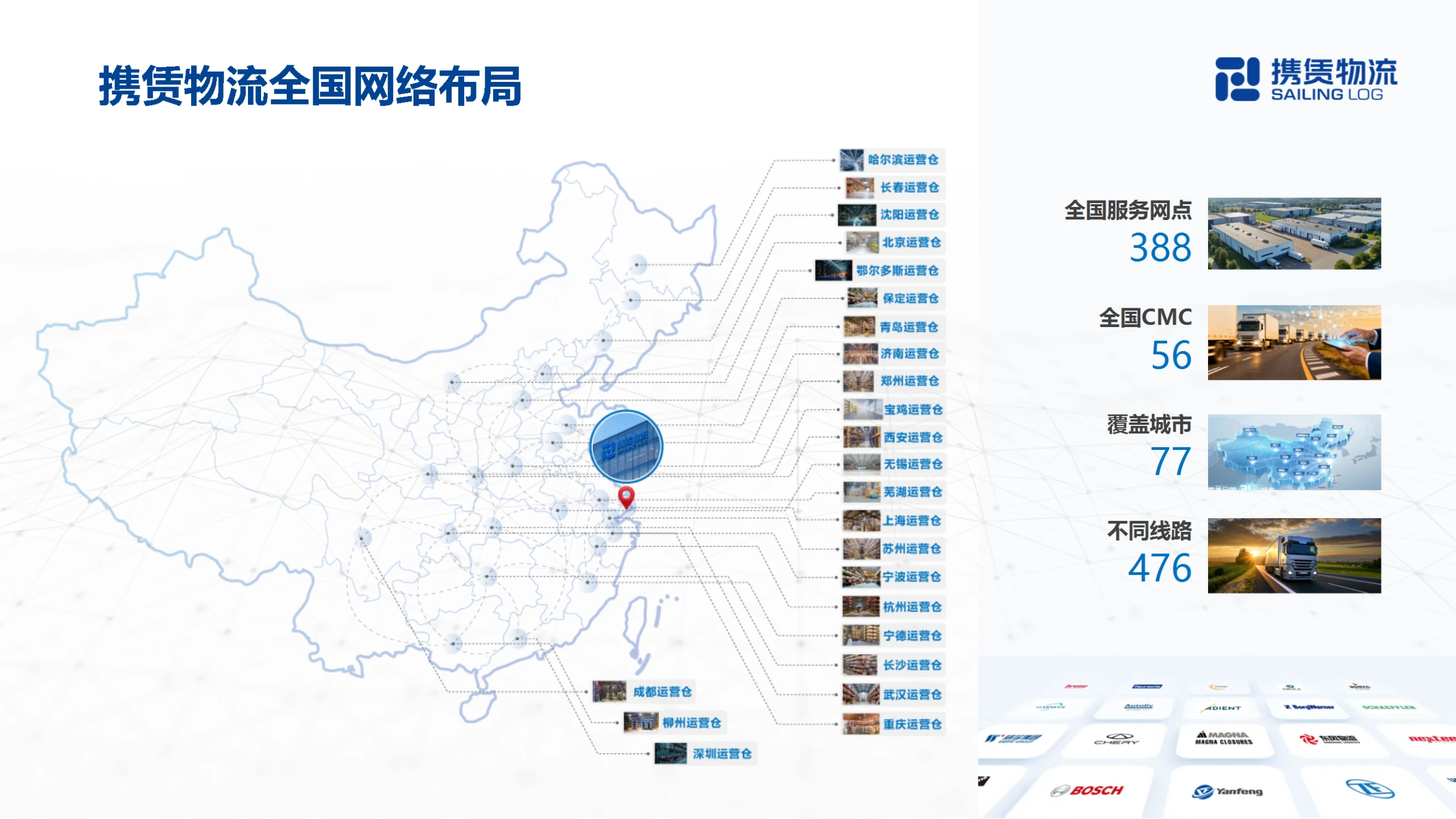
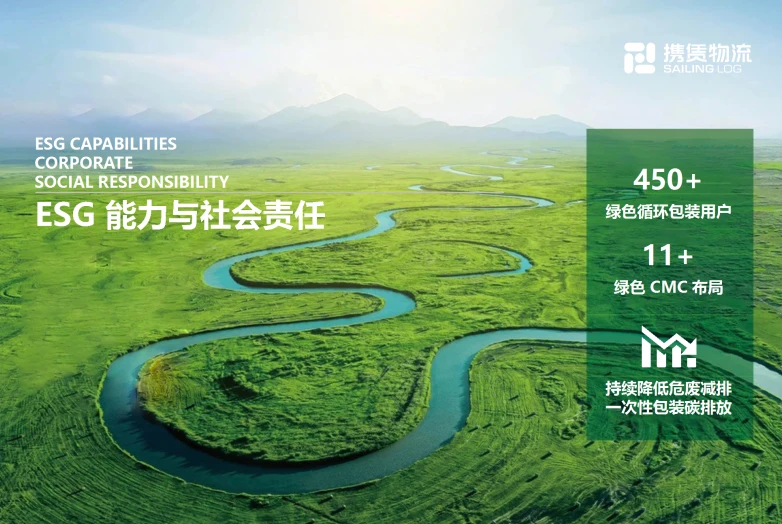
Founded in 2011, Sailing Logistics is a technology-driven company specializing in intelligent unit-load packaging solutions and returnable packaging pooling services. The company has long served the automotive and new energy vehicle supply chains, establishing long-term partnerships with manufacturers and new energy enterprises, including Bosch, ZF, Yanfeng, BYD, and Geely.
Through standardized returnable packaging assets, a digital operations platform, and a nationwide service network, Sailing Logistics enables efficient circulation and reuse of packaging across customers and logistics nodes. This approach reduces the consumption of single-use packaging and improves resource efficiency.
Products and Services
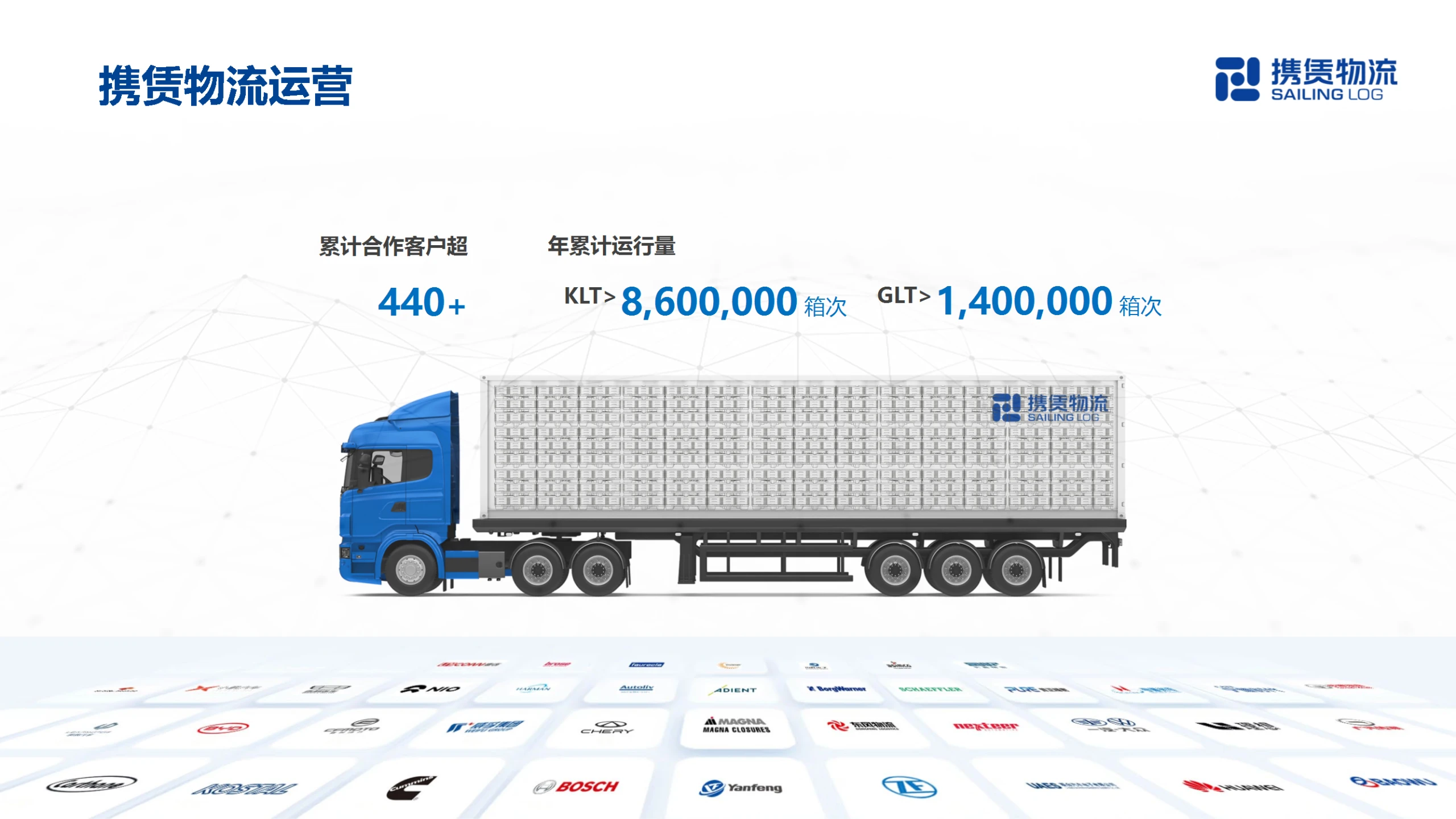
Sailing Logistics offers a wide range of returnable packaging solutions designed for industrial logistics applications involving small, medium-sized, and large components. Its services cover packaging accessory processing, packing, shipping, empty container returns, and cleaning of returnable packaging. Customized inserts are available across its packaging solutions, which are widely used in the automotive, new energy, home appliance, and logistics industries.
Equipped with embedded RFID chips and supported by Internet of Things (IoT) technology and the Pack Mind platform, Sailing Logistics enables end-to-end visibility, traceability, and management throughout the packaging lifecycle. The company also provides value-added services, including intelligent scheduling, inventory alerts, and asset analysis. These capabilities establish a foundation of hardware and data for customers' smart logistics operations, improve supply chain efficiency, and strengthen the company's competitive differentiation.
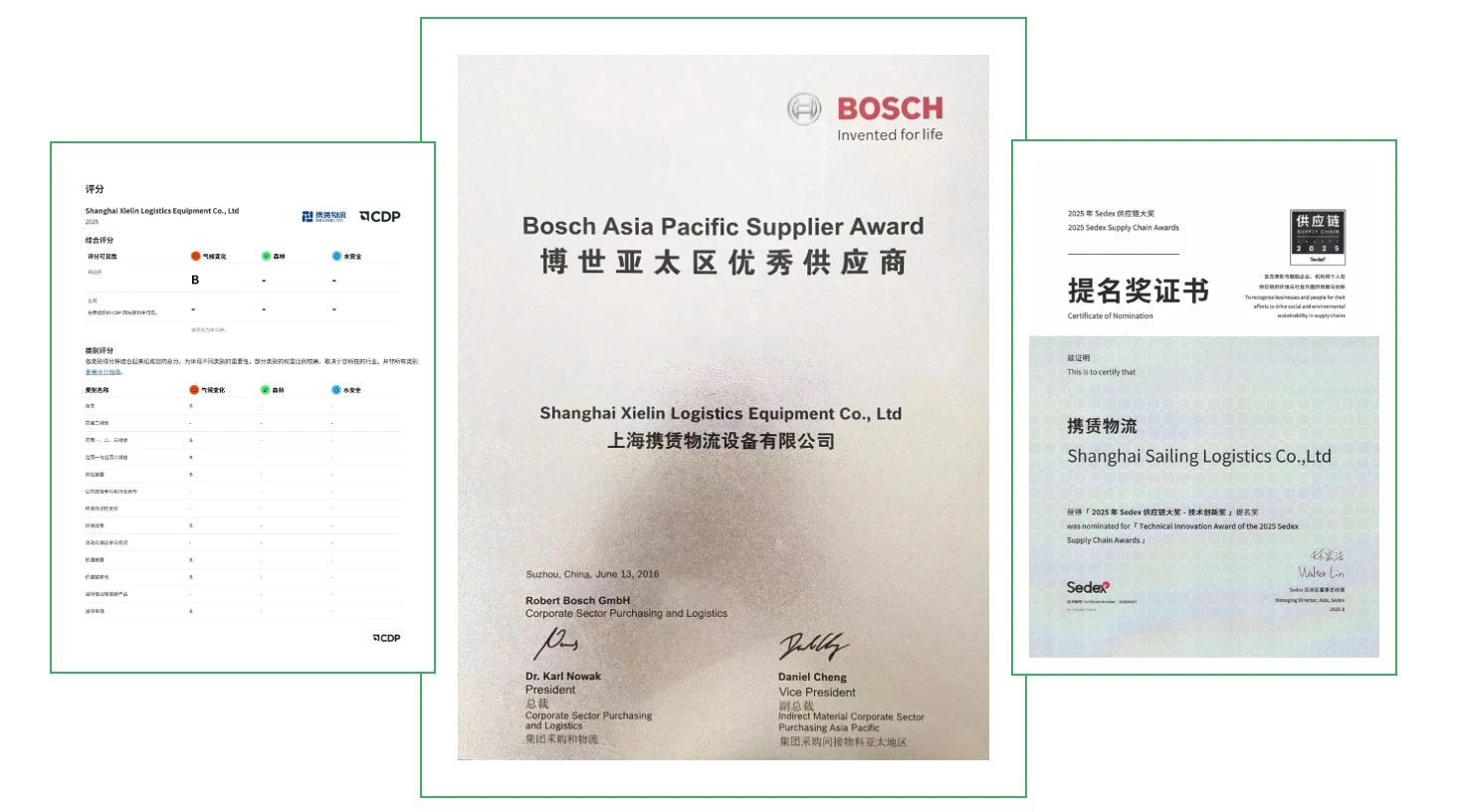
Guided by its mission to "Co-create Low-Carbon and Lean Supply Chains," Sailing Logistics continues to advance its green and low-carbon practices. The company has achieved a CDP Climate Change score of B for several consecutive years and has been recognized as an Outstanding Supplier in Bosch's Asia-Pacific region. In 2025, it also received dual nominations for the "Technology Innovation Award" and "Service Pioneer Award" at the Sedex Supply Chain Awards.
Building on its established practices in returnable packaging pooling, Sailing Logistics is also responding to increasingly stringent external requirements. As environmental regulations evolve and downstream customers introduce more detailed sustainability criteria, green logistics packaging management is expanding beyond reuse to include carbon emissions quantification and environmental information disclosure.
At the regulatory level, in 2026, China's Ministry of Commerce and eight other government departments issued the Notice on Implementing the Green Consumption Promotion Action, calling for the wider adoption of green practices such as pallet and returnable container pooling, while encouraging enterprises to conduct supply chain carbon footprint assessments.
Meanwhile, the EU Packaging and Packaging Waste Regulation (PPWR) introduces further requirements. From January 1, 2030, economic operators using transport packaging or sales packaging used for the transport of products, including pallets and foldable plastic boxes, within the EU must ensure that at least 40% of such packaging is reusable packaging within a reuse system. From January 1, 2040, operators should endeavor to increase this proportion to 70%.
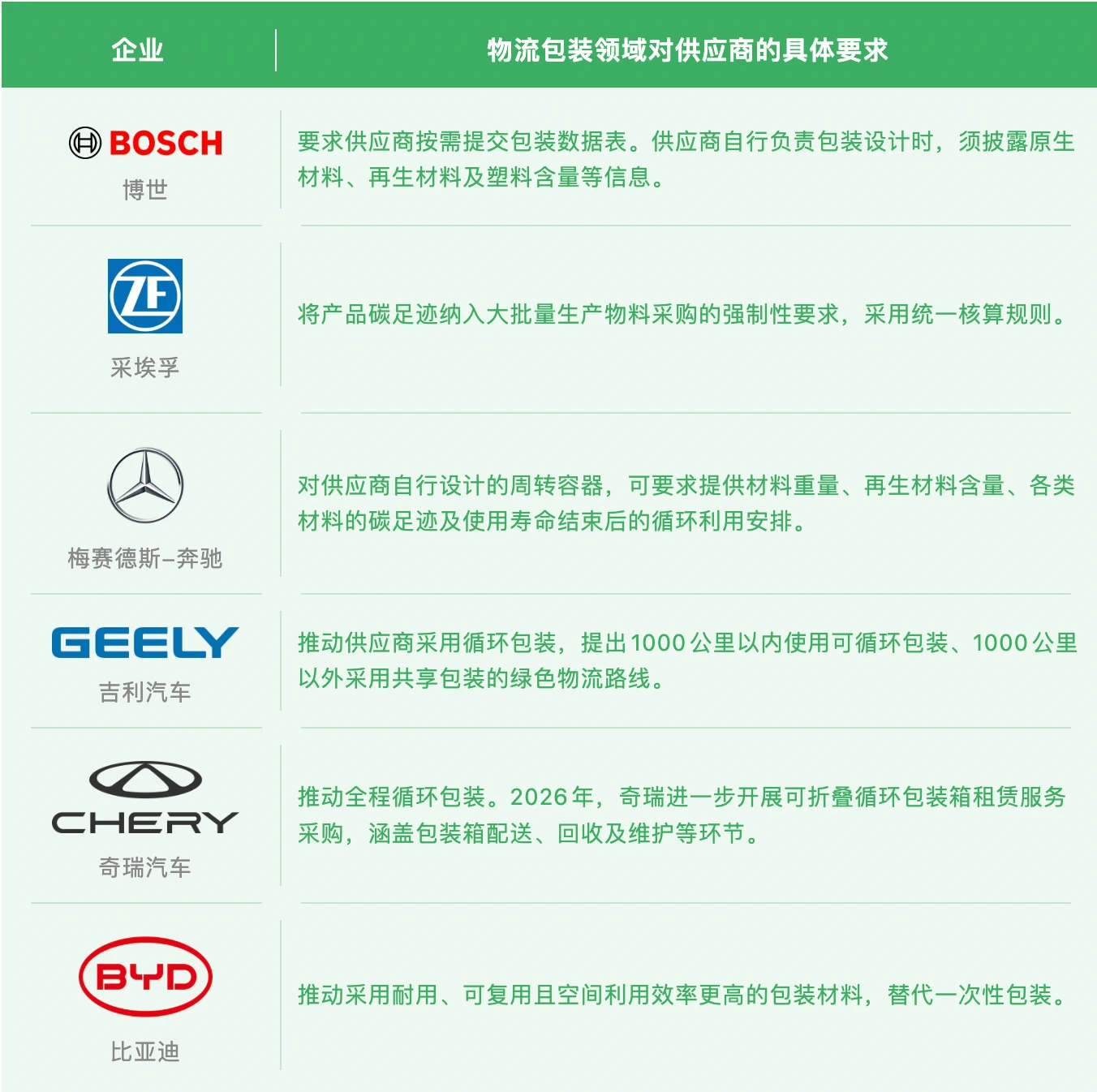
Downstream supply chain leaders are also introducing more detailed sustainability requirements for logistics packaging. Requirements from leading companies in the new energy vehicle supply chain indicate that, beyond reusability, packaging material composition, recycled content, and carbon footprint information are increasingly becoming important considerations in supplier packaging management and procurement evaluations.
What New Sustainability Value Can the Carbon Footprint of a Foldable Container Deliver?
The FPC6428 foldable container assessed in this project is one of Sailing Logistics' standardized returnable packaging products, widely used in component transportation, warehousing, and material handling. Its foldable and reusable design helps reduce the space required for transporting empty containers and improves logistics efficiency.
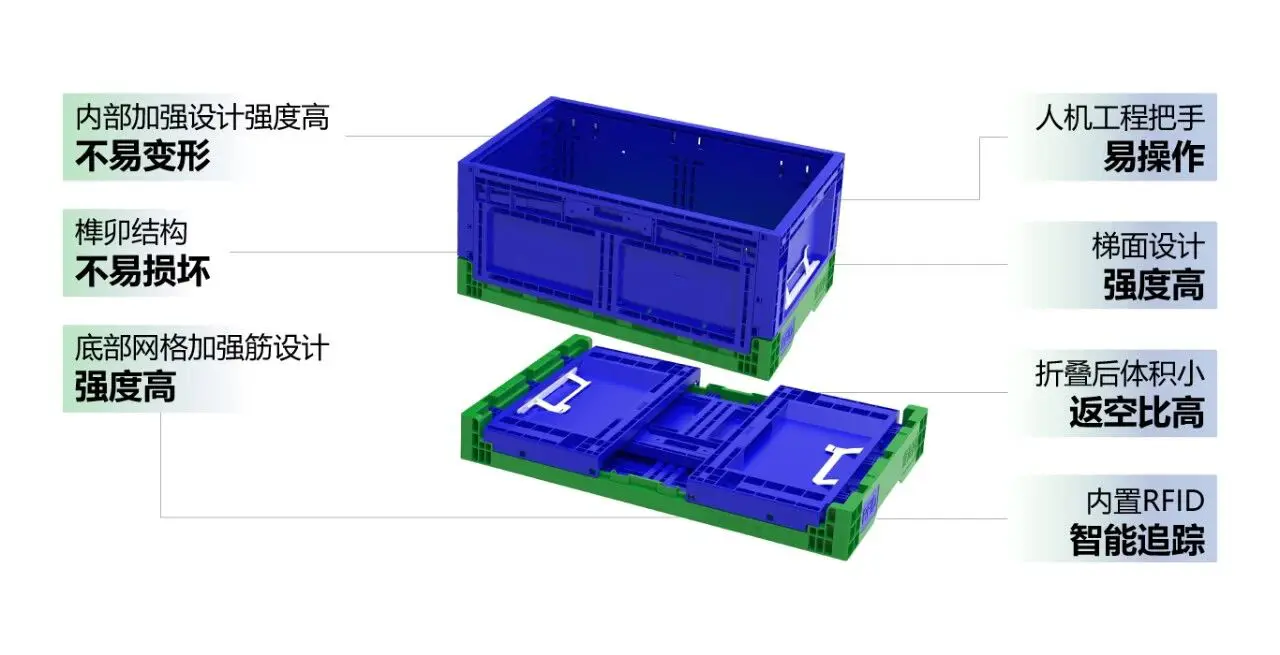
FPC6428 Foldable Container. Source: Sailing Logistics official website
Leveraging Cyacle, the Digital Carbon Management Platform independently developed by Carbon Newture, together with Carbon Newture's professional service expertise, Sailing Logistics conducted a product carbon footprint assessment of the FPC6428 foldable container, covering stages including raw material acquisition and manufacturing. The assessment was subsequently verified by SGS, an internationally recognized third-party organization.
The third-party-verified carbon footprint data provides new support for Sailing Logistics to further strengthen the sustainability management of its returnable packaging solutions.
For Sailing Logistics, the assessment identifies the product's main sources of carbon emissions, providing a reference for future material optimization and supplier management.
For downstream customers, reliable carbon footprint data for logistics packaging assets can support green procurement evaluations and supply chain carbon data collection, making the environmental information associated with returnable packaging solutions more transparent and verifiable.
Looking ahead, Sailing Logistics will continue to strengthen its carbon management practices, further quantify the low-carbon value of returnable packaging, and promote the application of carbon data in packaging optimization, green procurement, and supply chain management. Through these efforts, the company aims to provide customers with greener and more efficient logistics packaging solutions.
Reference